

Breathing Fundamentals for the Workday
An introduction to paced breathing, box breathing, and extended exhale patterns, framed around moments like pre-call nerves or a stalled negotiation.
You have back-to-back calls, a lunch you'll eat while reading email, and a mind that hasn't slowed down since 7 a.m. Susugi Fibona builds short breathing exercises, body awareness drills and present-moment practices around that reality, not around a fantasy of free time you don't have.

4 seconds in · hold · 6 seconds out. A pattern used across several of our short-form lessons.
Most stress management content assumes you can carve out thirty uninterrupted minutes, sit on a cushion, and close your eyes for a while. That was never how most working days actually run. Between client calls, deadline pressure and a commute that eats into the morning, the practices that hold up are the ones that survive contact with a real calendar.
That's the starting point for every lesson we build. A breathing sequence that works standing at a printer. A body scan short enough to finish before a call reconnects from hold. A present-moment cue you can use while reading a difficult email before you respond to it. None of it requires special equipment, a quiet room, or blocking off half your lunch hour.
Paced breathing patterns you can run in under two minutes, adapted for desks, cars, and hallway transitions between meetings.
Short scans that notice where tension has settled, whether that's a clenched jaw during a call or shoulders raised toward your ears.
Simple anchoring cues for the moments your attention scatters across three browser tabs and a phone notification at once.
Guidance on placing these practices around an actual work schedule, not an idealized one, so they survive a demanding week.
Each course is self-paced and organized in short segments. You can complete a single lesson during a break and pick the thread back up the next day without losing your place.
An introduction to paced breathing, box breathing, and extended exhale patterns, framed around moments like pre-call nerves or a stalled negotiation.

A sequence of noticing exercises and gentle resets for shoulders, jaw and posture, designed to be run without leaving your chair.

Techniques for returning attention to the room you're actually in, built for back-to-back video calls and long agenda days.

A growing set of short, standalone practices organized by how much time you actually have, from a two-minute breath to a ten-minute reset.
Choose based on what's pulling at your attention most this month, tension in the body, scattered focus, or general reactivity under pressure.
Most people work through one short lesson every weekday morning or during a natural pause, such as right after lunch.
Each lesson includes a suggestion for when to actually use the technique, tied to a real moment rather than a hypothetical one.
Lessons repeat and layer over weeks, so techniques that didn't land the first time often click once the pattern feels familiar.
The breathing patterns, body awareness cues and present-moment techniques taught here draw on general research about attention, breath physiology and stress response patterns. There's no religious or spiritual framing in any lesson, and no ritual or belief system attached to the practices.
It's also worth being direct about what this is not. These courses are general wellness education. They are not a substitute for licensed psychological therapy, medical treatment, or a diagnosis of any condition. If you're navigating a specific health concern, a licensed provider is the appropriate resource, not an online course.
Content is reviewed for clarity and practicality before publishing. Lessons describe techniques and their general rationale. They do not diagnose, treat, or claim to resolve any medical or psychological condition.
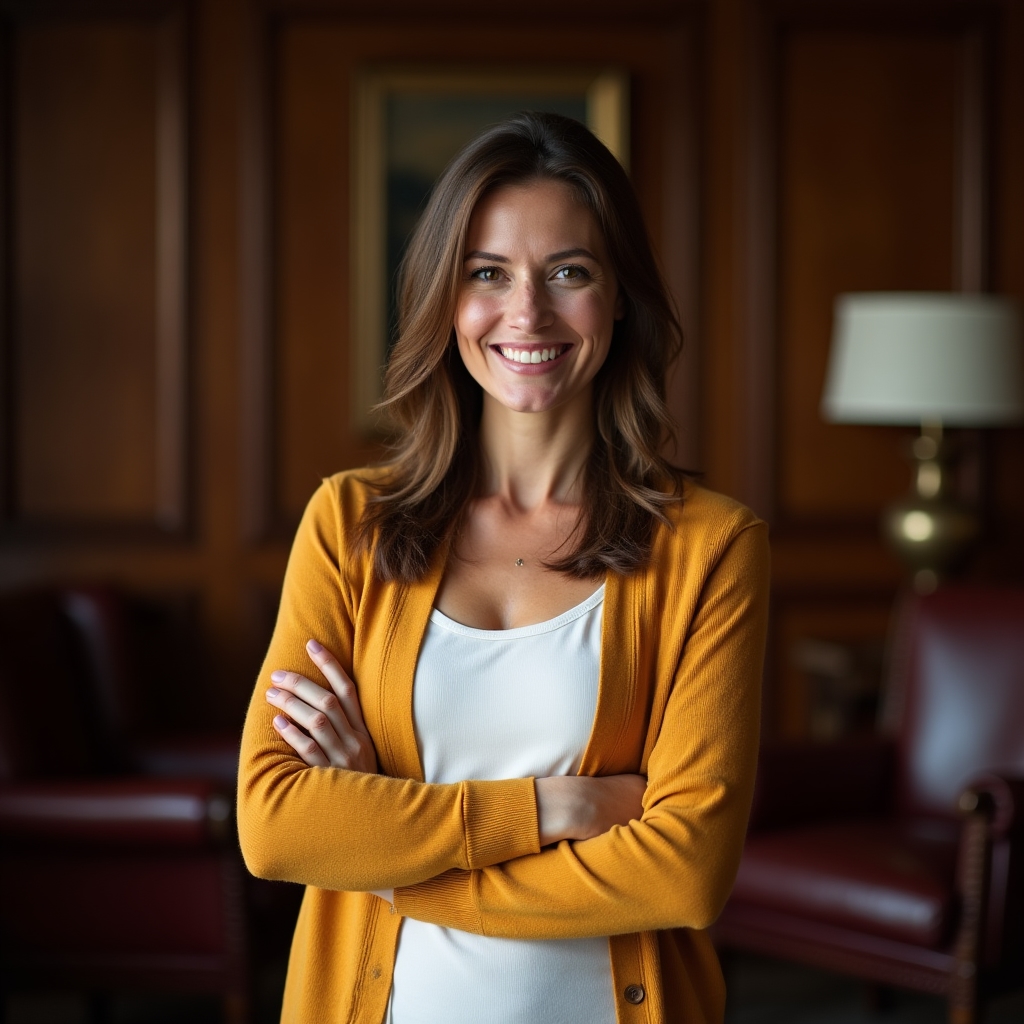
Elena writes the breathing and present-moment modules. Her background is in workplace training design, with a focus on making techniques short enough to survive a packed calendar.

Marcus develops the body awareness material and leads the individual coaching sessions, drawing on years spent facilitating group wellness sessions inside corporate teams.
No. Lessons start from the assumption that this is new territory. Instructions are explained plainly, without jargon, and each technique is broken into small steps you can follow the first time you try it.
Most lessons run between four and nine minutes. The Five-Minute Reset Library includes shorter entries, some as brief as two minutes, for days when even that feels tight.
No. This is general wellness education about breathing, body awareness and present-moment attention. It doesn't diagnose or treat any condition and isn't a replacement for licensed psychological or medical care.
Yes, most of the material is written specifically for desk, meeting room, and commute settings rather than requiring a private space or special posture.